

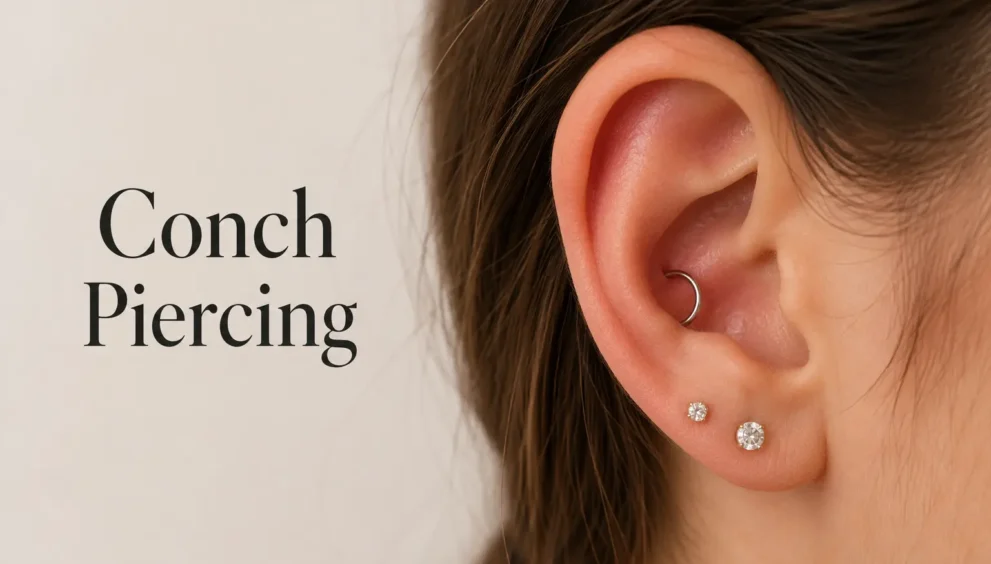
Conch Piercing Lessons People Learn After Doing It Themselves
Conch piercing has become more popular because many people like its unique look and the variety of conch piercing jewelry options available. At the same time, many online videos show people trying to do a conch piercing on themselves at home. While these videos may look simple, they often reveal important lessons that people only understand after going through the experience.
Many first-time attempts show that people learn much more about patience, healing, and ear care than they expected. These lessons are valuable because they can help others understand what to expect before making a decision.
People Often Underestimate Ear Cartilage
One of the biggest lessons people learn is that ear cartilage is very different from a standard earlobe piercing. Cartilage is thicker, firmer, and less flexible.
Many people expect the process to be quick, but they later realize that cartilage requires extra care. Even a small amount of pressure can make the area sensitive for several days.
This is why many people become more cautious after their first experience. They learn that cartilage responds differently from the softer parts of the ear.
Preparation Matters More Than Expected
Many videos show people gathering gloves, needles, alcohol swabs, and jewelry before starting. This teaches an important lesson about preparation.
People often realize that forgetting even one item can interrupt the process. For example, choosing the wrong jewelry size or not checking whether the jewelry fits properly can create unnecessary problems.
Preparation also includes making sure everything is clean and organized before starting.
Simple preparation steps include:
- Washing hands thoroughly
- Using clean gloves
- Preparing jewelry beforehand
- Organizing cleaning supplies
- Checking jewelry size
Good preparation can reduce confusion and make the overall experience smoother.
Pain Is Different for Everyone
Another lesson people frequently mention is that pain levels vary from person to person.
Some people describe the pain as mild, while others say certain moments feel more uncomfortable than expected. The experience can also change depending on the exact location of the piercing.
Many people learn that online videos cannot predict how their own bodies will react.
Instead of focusing only on pain levels, it is more helpful to understand that temporary discomfort is common during the process and early healing period.
The Healing Period Requires Patience
Healing is one of the most important lessons people discover afterward.
Many individuals expect their ears to feel normal within a few days. However, cartilage healing often takes much longer.
The first few days can include:
- Mild soreness
- Tenderness
- Swelling
- Sensitivity to touch
These reactions may gradually improve over time.
People often realize that healing is not a fast process. Patience becomes one of the biggest factors in having a comfortable recovery experience.
Sleeping Habits Can Become a Challenge
Many people never think about how often they put pressure on their ears.
During the healing phase, sleeping on the pierced side can become uncomfortable. Some people wake up during the night after accidentally rolling onto that side.
This experience teaches people to adjust their sleeping habits.
Many choose to:
- Sleep on the opposite side
- Use a travel pillow
- Keep pressure away from the ear
Small adjustments can make daily life easier while the piercing heals.
Hair and Clothing Can Cause Irritation
People are often surprised by how frequently their hair touches their ears throughout the day.
Long hair can become tangled around jewelry, which may cause irritation. Some people also discover that hoodies and tight clothing can accidentally pull on the piercing.
After this experience, many start changing small habits.
Helpful adjustments include:
- Tying hair back
- Wearing loose collars
- Being careful with hoodies
- Moving slowly when changing clothes
These small actions can help reduce unnecessary friction.
Cleaning Too Much Can Sometimes Be Unhelpful
One interesting lesson many people share is that more cleaning is not always better.
Some individuals begin cleaning several times every day because they want to protect the area. Later, they realize that excessive cleaning may irritate the skin.
Keeping a simple and consistent routine is usually more helpful than constantly touching the piercing.
People learn that balance is important throughout the healing process.
Small Accidents Feel Worse Than Expected
Many people mention that daily activities become more noticeable after getting a conch piercing.
Simple situations can suddenly become uncomfortable.
For example:
- Hugging someone
- Pulling a shirt over the head
- Brushing hair
- Talking on the phone
These everyday actions can accidentally bump the ear.
Over time, people become more aware of their movements and learn how to protect the area.
Patience Often Leads to Better Results
Many first-time experiences teach people that rushing rarely helps.
People often want immediate results, but healing takes time.
Instead of constantly checking the piercing every few minutes, they learn to allow their body to recover naturally.
Patience helps reduce unnecessary stress and creates a more comfortable experience.
This lesson often becomes one of the biggest takeaways for beginners.
Online Videos Do Not Replace Professional Advice
Many social media videos are created to share personal experiences. However, people eventually learn that every ear is different.
A person’s anatomy, skin sensitivity, and healing response can vary significantly.
Watching someone’s experience may provide general information, but it should not be treated as a complete guide.
Professional advice remains valuable because trained piercers can evaluate placement, jewelry sizing, and proper aftercare recommendations.
Final Thoughts
Conch piercing teaches many lessons beyond appearance alone. People often discover how much patience, preparation, and daily awareness are required throughout the process.
Simple things such as sleeping positions, hair management, clothing choices, and cleaning routines become much more important than expected.
Many first-time experiences show that understanding the healing journey can make a big difference. Rather than focusing only on the piercing itself, learning how to care for the ear properly often becomes the most valuable lesson of all.