










Everything You Should Know Before Getting a Conch Piercing

INTRODUCTION
With the modern fashion, piercings have been around for many years, reflecting body changes that combine cultural heritage and self-expression in life. Among them, the conch piercing has gained huge popularity and attractiveness for its unique placement and boldness. What a conch piercing truly is and how. Before getting a conch piercing, the body needs to understand how it’s done on the ear, what the healing process looks like, and how to care for it properly for health in life. The decision of you before making this stylish should know what it is; let’s explore.
What Is a Conch Piercing?
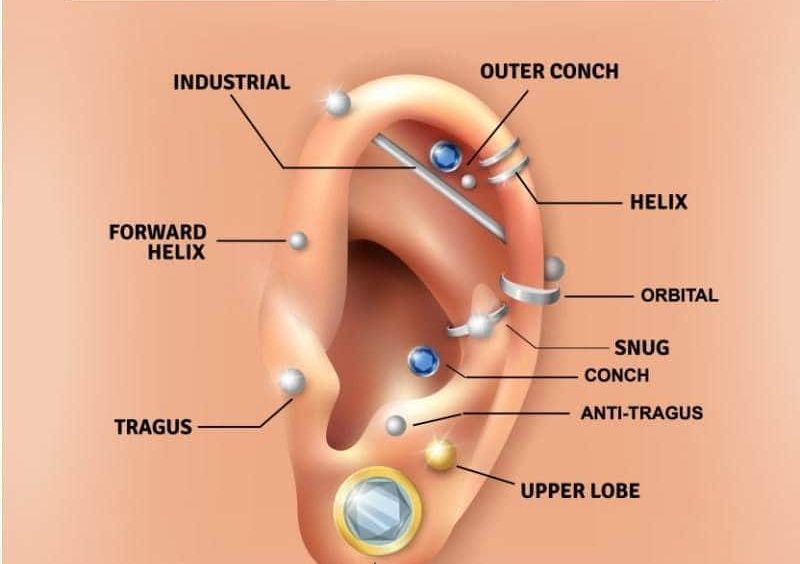
A conch piercing located in the middle part of your ear is a type of ear tissue piercing, known as the concha. Which is why it’s called conch because this area resembles a seashell. So there are two types of conch piercings:
- Inner Conch Piercing – Positioned in the central ear bowl near the ear canal.
- Outer Conch Piercing – The ear rim and the antihelix are done on the flat outer cartilage.
Depending on your personal style and healing stage, this piercing can be fitted with studs, hoops, or rings in the ear.
Why Conch Piercings Are So Popular?
Seen in countries like the United States, Canada, the United Kingdom, South Korea, Japan, and Australia, the method of conch piercing has become a global fashion statement. Celebrities and influencers like it for its ability, allowing for a simple look with a small stud or an edge with a large hoop encircling the ear on the body.
Moreover, making it ideal for people, this piercing addition suits both casual and formal styles, those who want something unique yet ideal.
The Procedure: What to Expect?
Ensure your piercing studio is reputable, clean, and licensed for ear health before his appointment. For ear health, professional piercers use clean tools and adhere to purity standards to prevent infection.
During the procedure, what typically happens here is:
- Consultation: Aftercare guidelines, and you’ll discuss the jewelry options, piercing type (inner or outer).
- Preparation: The piercer cleans the exact spot on your ear, then completes the procedure.
- Piercing: Never use a piercing gun; use a sterile needle to puncture the tissue and insert your jewelry into the ear.
- Aftercare Instructions: For the proper healing process of the ear, you’ll receive detailed aftercare steps.
You’ll feel pressure or a sharp pinch during the ear piercing process. The process is quick, usually under 5 minutes.
Does a Conch Piercing Hurt?
From person to person process of pain levels varies, but since cartilage is tougher than skin, a tragus or helix piercing is generally moderately painful. Out of 10 on the pain scale, the mostly people rate it around 5–7.
For a few days, the initial pain is short-lived, but tenderness and swelling may continue. Reducing swelling and discomfort using a cold compress can help.
Healing Time and Stages
Depending on your body’s recovery rate, the healing period for a conch piercing is 6 to 12 months, and how well you follow the health aftercare instructions.
Healing Stages:
- Weeks 1–4: Redness and swelling are common initial healing symptoms.
- Months 2–4: The process of outside formation may occur wound begins to close internally.
- Months 5–12: Making the piercing stronger and stabilizing.
The area of infections and trauma can be prevented until you avoid changing your jewelry until the piercing is fully healed.
Essential Aftercare Tips
The key to a smooth healing process is proper aftercare of health. Keep your piercing clean, then follow these steps to keep it infection-free:
- Using the saline solution, clean twice daily (saltwater mix or pre-made saline spray).
- Not touching or rotating the jewelry unnecessarily, because it’s much better for the ear health.
- Do not sleep directly on the pierced ear.
- Keeping away from the ear area, these are all things. Headphones and phones.
- During early healing of the ear, avoid swimming in pools, lakes, or oceans.
- For better ear healthTo reduce bacteria exposure, replace pillowcases regularly.
The process of ear piercing. If you see that, immediately consult your piercer or a healthcare professional if you notice excessive redness, discharge, or prolonged swelling.
Choosing the Right Jewelry
Plays a huge role in ear health in both style and comfort as you select jewelry.
Popular Jewelry Options:
- Labret Studs: Due to their flat backs, they are ideal for initial piercings of women’s ears.
- Hoops & Captive Bead Rings: The perfect place for outer conch piercings once healed on the ear.
- Clickers & Seamless Rings: To add a sleek, modern, attractive look to ear health.
To prevent allergic reactions in the ear piercing process, choose hypoallergenic materials like titanium, surgical steel, or 14k gold. For ear health, avoid the cheap metals that can irritate the skin.
Potential Risks and Complications
When ear conch piercings are done, they are generally safe; they come with potential risks for health if neglected:
- Infection: Infections occur in the ear piercing due to poor hygiene or premature jewelry changes.
- Keloids or Bumps: The result of irritation or trauma from ear piercing.
- Migration or Rejection: Jewelry is being pushed out by the body.
For ear health, these risks can be minimized with professional piercing.
How Much Does a Conch Piercing Cost?
The cost of ear piercing for women depends on the studio location, reputation, and jewelry choice. Professional standards have
The cost of ear piercing depends on the slightly higher rates due to altered costs, in countries like the USA and UK, which are available, while Asian countries like India and Thailand may offer more affordable options.
Remember: In life, for a lower price, never compromise on hygiene or professionalism for health.
Conch Piercing and Fashion Trends Worldwide
From many years of tribal symbolism to a modern beauty trend, the conch piercing has evolved and been embraced across continents. The process of conch piercing has become a symbol of individuality and self-expression in Western countries, while in Asian fashion, it amounts to minimalist beauty.
Conch piercings are seen as both a beauty for women in their ears in Europe and the Middle East, often paired with ear cuffs and layered jewelry.
When Can You Change Your Jewelry?
Patience is very crucial. Usually, around 8 to 12 months. Change your jewelry you should only after complete healing. Early change can cause infections, swelling, or even closure of the piercing.
For women’s ear health to ensure safety and avoid complications to health once healed, visit your ear piercer for the first jewelry change.
Conch Piercing vs. Other Ear Piercings
Ability to hold larger jewelry pieces, the conch stands out compared to helix or tragus piercings because of its central placement. That’s depending on your style in life. Charm and dramatic flair can be. It offers both. Enjoy curated ear piercings. Those who for a balanced and trendy look often combine conch piercings with helix piercings.
What to Know About Conch Piercing Healing
Conclusion
The beautiful way for women to showcase their personal style is a conch piercing. Women need to approach the process responsibly, whether you prefer a simple stud or a statement hoop. For health, the choosing process involves a professional piercer, maintaining purity, and practicing proper aftercare.
Lasting symbol of your individuality and confidence in health, our conch piercing will not only heal beautifully with patience and care but also become helpful for women.