

Why You Should Perform Istikhara Yourself and Its True Benefits?
Introduction
Istikhara is one of the most profound spiritual tools in Islam for seeking guidance from Allah in matters where a person feels uncertainty. The word Istikhara linguistically means “seeking goodness,” and in Islamic practice, it refers to a specific prayer and supplication taught by the Prophet Muhammad ﷺ for making decisions.
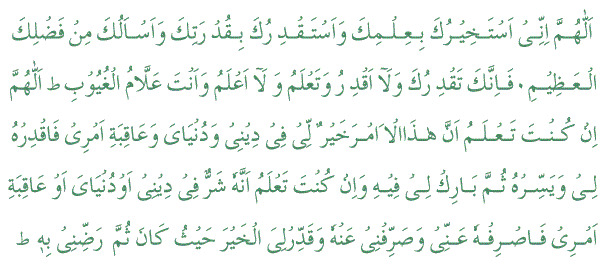
Based on authentic Islamic sources, including Qur’anic principles, Prophetic traditions, and scholarly explanations—as reflected in the classical texts shown in the referenced images—Istikhara is fundamentally a personal act of worship that a believer should perform themselves, rather than delegating it to others.
This article explains why performing Istikhara yourself is emphasized in Islam, how it aligns with Shariah principles, and what true benefits come from practicing it correctly.
The Islamic Foundation of Personal Istikhara
The Qur’an establishes two core principles relevant to decision-making:
- Turning to Allah for guidance
- Consultation (Shura) with others
Allah says:
“…And consult them in matters. Then, when you have decided, rely upon Allah.”
(Qur’an 3:159)
And Allah also says:
“And those whose affairs are conducted by mutual consultation among them.”
(Qur’an 42:38)
Classical scholars, including those referenced in Rafiq al-Salikin’s Sharh Riyadh al-Salihin, explain that Istikhara complements consultation but does not replace personal responsibility. A believer consults others for insight but turns directly to Allah for divine guidance.
Why the Individual Should Perform Istikhara?
1. Istikhara is an Act of Worship (ʿIbadah)
Istikhara consists of:
- Two units of voluntary prayer
- A specific supplication taught by the Prophet ﷺ
Acts of worship in Islam are personal, based on intention (niyyah). No one can pray on behalf of another in voluntary acts seeking Allah’s guidance.
The Prophet ﷺ said:
“When one of you is concerned about a matter, let him pray two rak‘ahs of non-obligatory prayer, then say…”
(Sunan al-Nasa’i)
The wording “let him” clearly indicates self-performance, not delegation.

2. Direct Connection With Allah Builds Tawakkul
Performing Istikhara yourself strengthens:
- Reliance on Allah (tawakkul)
- Personal humility before divine knowledge
- Acceptance of Allah’s decree
Classical scholars note that asking another person to perform Istikhara on your behalf weakens personal accountability and creates emotional dependency, which Islam discourages.
As explained in the referenced texts, the purpose of Istikhara is to train the heart to surrender to Allah’s wisdom, not to chase signs from others.
3. The Sunnah Did Not Teach “Outsourced Istikhara.”
There is no authentic narration showing:
- The Prophet ﷺ performing Istikhara for others
- The Companions are asking someone else to do Istikhara on their behalf
Imam Ibn Hajar (رحمه الله) explains that Istikhara is linked to one’s own intention, concern, and decision, which cannot be transferred.
The Role of Consultation (Shura) With Istikhara
Islam does not promote isolation in decision-making. The correct Islamic sequence is:
- Gather information
- Consult knowledgeable and trustworthy people
- Perform Istikhara yourself
- Proceed with trust in Allah
The clearly references this balance—consultation is encouraged, but Istikhara remains a personal supplication.
Imam al-Nawawi (رحمه الله) states that Istikhara should be done after consultation, not before, because clarity improves when advice and divine guidance work together.
Common Misconception: Dreams as the Main Sign
A critical clarification emphasized in the classical discussion shown in the images is that Istikhara is not dependent on dreams.
The Prophet ﷺ said:
“Dreams are of three types: glad tidings from Allah, thoughts from oneself, and fear from Shaytan.”
(Tirmidhi)
Scholars unanimously agree:
- Dreams are not a condition of Istikhara
- Guidance often appears as ease, clarity, or obstacles, not visions
Therefore, repeatedly performing Istikhara solely to “see a sign” reflects misunderstanding.

True Benefits of Performing Istikhara Yourself
1. Inner Peace and Acceptance
When a believer performs Istikhara sincerely, they develop contentment (ridha) with the outcome, even if it differs from personal desire.
2. Protection From Regret
Istikhara protects a person from long-term regret by anchoring decisions in divine wisdom rather than emotion.
3. Spiritual Discipline
Consistently turning to Allah for guidance strengthens faith, patience, and humility.
4. Clarity Through Circumstances
According to classical explanations, Allah often guides by:
- Opening doors
- Closing paths
- Creating ease or resistance
These outcomes become clearer when the person personally engages in Istikhara.
What Istikhara Is NOT?
Based on authentic scholarship:
- It is not fortune-telling
- It is not dependent on dreams
- It is not a substitute for effort
- It is not transferable to another person
Understanding this protects believers from cultural innovations and misinterpretations.
Frequently Asked Questions (FAQs)
1. Why should a person perform Istikhara themselves?
A person should perform Istikhara themselves because it is a personal act of worship that requires sincere intention and direct reliance on Allah. Performing it personally strengthens trust in Allah and builds a stronger spiritual connection that cannot be achieved through delegation.
2. How does performing Istikhara yourself increase trust in Allah (Tawakkul)?
When someone performs Istikhara on their own, they place their decision directly in Allah’s hands. This personal supplication develops true tawakkul, as the believer learns to depend on Allah’s wisdom rather than human advice alone.
3. Does performing Istikhara yourself bring peace to the heart?
Yes, performing Istikhara personally brings inner peace and emotional stability. When the heart sincerely asks Allah for guidance, it feels reassured, knowing that the matter has been entrusted to divine knowledge and mercy.
4. How does personal Istikhara help in accepting Allah’s decision?
Personal Istikhara makes it easier to accept Allah’s decree because the decision was made with sincere prayer and trust. Even if the outcome is difficult, the believer develops contentment (riḍā) and avoids doubt or resentment.
5. Is Istikhara guidance only through dreams?
No, Istikhara guidance is not limited to dreams. Scholars explain that Allah often guides through ease, obstacles, clarity, or changes in circumstances. These forms of guidance are best recognized by the person who performs Istikhara themselves.
6. Can performing Istikhara yourself protect a person from regret?
Yes, self-performed Istikhara protects a person from regret. Since the decision was placed before Allah sincerely, the believer does not blame others and feels confident that Allah chose what was best.
7. Why can’t someone else feel the result of my Istikhara?
Certain emotional and spiritual feelings—such as comfort, hesitation, or clarity—are personal and cannot be fully sensed by another person. Performing Istikhara yourself allows you to recognize these inner signs directly.
Conclusion
Performing Istikhara Dua yourself is a Sunnah-based, spiritually empowering practice that strengthens your relationship with Allah. Islamic teachings—supported by Qur’an, Hadith, and scholarly explanation—clearly establish that Istikhara is personal, intentional, and deeply connected to one’s own heart and decision.
When combined with sincere effort, consultation (Shura), and trust in Allah, Istikhara becomes a powerful means of guidance, peace, and protection.
May Allah guide us to decisions that are best for our religion and our worldly life, and grant us contentment with His decree.