

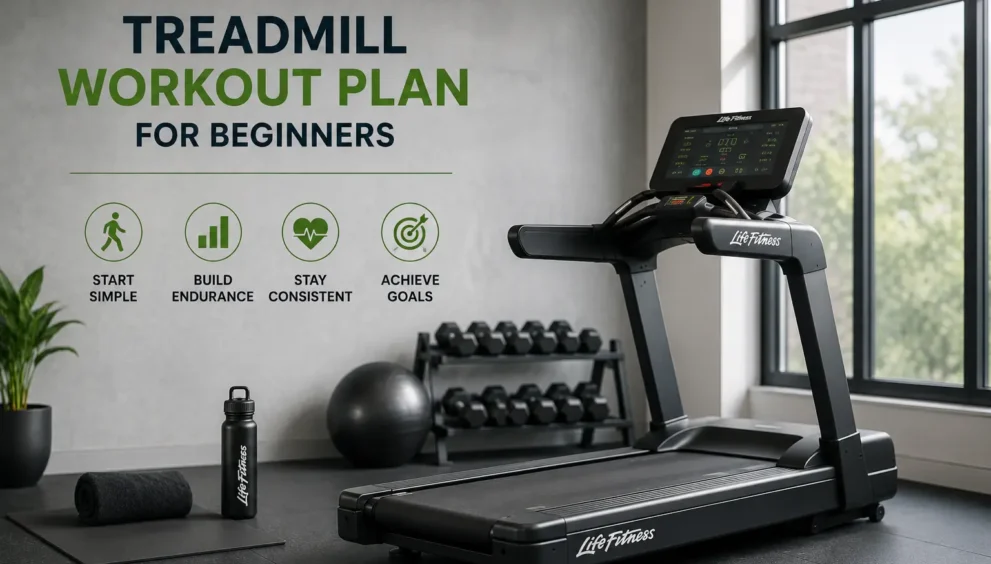
Life Fitness Treadmill Workout Plan for Beginners
Starting a fitness journey can feel overwhelming, especially when you are unsure where to begin. Many beginners want to become healthier, improve their energy levels, manage their weight, and stay active, but they often struggle to find a routine that fits into daily life. This is where a Life Fitness treadmill can make a real difference.
A treadmill provides a simple and convenient way to exercise regardless of weather, time constraints, or fitness experience. Unlike complicated workout programs, a beginner-friendly treadmill plan allows you to progress at a comfortable pace while building confidence along the way.
The best part is that you do not need to be an athlete to start. A structured Life Fitness treadmill workout plan for beginners focuses on consistency, gradual improvement, and sustainable habits that can support long-term health and wellness.
Why a Life Fitness Treadmill Is Ideal for Beginners
Many people stop exercising because they start with routines that are too difficult. As a result, they feel exhausted, discouraged, and eventually give up. A Life Fitness treadmill helps solve this problem by allowing users to control their speed, incline, and workout duration.
Instead of comparing yourself to experienced runners, you can focus on your own progress. Whether you prefer walking, brisk walking, or light jogging, the treadmill creates a controlled environment where you can exercise safely and comfortably.
Furthermore, the cushioned running surface may feel more comfortable than hard outdoor surfaces. This makes it easier for beginners to stay active while reducing unnecessary stress on the body.
Benefits of Following a Life Fitness Treadmill Workout Plan for Beginners
A structured workout plan offers more than just physical fitness. It helps create a routine that supports overall well-being.
Regular treadmill workouts can help:
- Improve cardiovascular fitness
- Increase daily movement
- Support healthy weight management
- Boost energy levels
- Improve mental focus
- Reduce daily stress
- Encourage better sleep quality
- Build workout consistency
Additionally, following a plan removes guesswork. Instead of wondering what to do each day, you simply follow the schedule and focus on completing the workout.
Before You Start Your First Workout
Before stepping onto the treadmill, it is important to prepare properly. Wear comfortable athletic shoes, choose lightweight clothing, and keep a water bottle nearby.
Always begin with a warm-up. Even five minutes of slow walking can help prepare the muscles and joints for exercise.
Likewise, finish every workout with a cool-down period. Gradually lowering your speed allows your heart rate to return to normal and helps your body recover more comfortably.
Week 1: Building the Habit
The first week should focus on consistency rather than intensity.
Beginner Walking Routine
Day 1
- 5-minute warm-up walk
- 10-minute comfortable walk
- 5-minute cool-down
Day 2
- Rest or light movement
Day 3
- 5-minute warm-up walk
- 15-minute brisk walk
- 5-minute cool-down
Day 4
- Rest
Day 5
- 20-minute steady walk
Weekend
- Light activity or recovery walk
At this stage, the goal is simply to establish a routine. Do not worry about speed or calories burned.
Week 2: Increasing Endurance
Once your body becomes comfortable with the benefits of regular walking, you can gradually increase your workout duration.
Try walking for 25 to 30 minutes while maintaining a pace that allows you to hold a conversation comfortably.
This approach helps improve endurance without creating excessive fatigue. More importantly, it teaches your body to handle longer periods of movement, which is essential for future progress.
Week 3: Adding Incline Training
Incline walking is one of the most effective ways for beginners to increase workout intensity without running.
A small incline challenges the muscles in your legs and core while increasing cardiovascular demand.
Example workout:
- 5-minute warm-up
- 5 minutes at flat incline
- 3 minutes at 2% incline
- 3 minutes at 3% incline
- Repeat cycle
- 5-minute cool-down
Incline training adds variety and helps prevent boredom while encouraging steady fitness improvements.
Week 4: Introducing Walk-and-Jog Intervals
After several weeks of consistent walking, some beginners may feel ready for light jogging intervals.
A simple workout may include:
- 5-minute warm-up walk
- 1 minute light jog
- 2 minutes walking
- Repeat 5 times
- 5-minute cool-down
These intervals allow beginners to build confidence gradually without feeling overwhelmed.
How Much Time Should Beginners Spend on a Treadmill?
Many people believe they need to spend hours exercising to see results. However, consistency matters more than duration.
For most beginners, 20 to 30 minutes per session is an excellent starting point. As fitness improves, sessions can gradually increase to 40 or 45 minutes, depending on individual goals and schedules.
The most effective workout is the one you can maintain regularly.
Busy Schedule Tips for Beginners
A beginner treadmill plan should fit into real life. If your schedule is busy, you do not need to wait for a perfect free hour. Even a short session can help you build momentum.
For example, you can walk for 10 minutes in the morning and another 10 minutes in the evening. You can also use treadmill walking as a break from long sitting hours. These small sessions may feel simple, but they help build a regular movement habit.
Therefore, the best plan is not always the hardest one. It is the one you can repeat without stress.
Common Beginner Mistakes to Avoid
Many beginners make the mistake of increasing speed too quickly. This can make workouts feel uncomfortable and may reduce motivation. Instead, increase your pace slowly and focus on steady progress.
Another common mistake is skipping the warm-up and cool-down. These short parts of the workout help prepare the body and support recovery.
Some beginners also hold the handrails for the entire workout. While handrails can help with balance, relying on them too much may reduce natural walking movement. Use them only when needed, especially when adjusting speed or incline.
How to Stay Motivated
Motivation often changes from day to day. That is why habits matter more than feelings. Set small goals, such as completing three treadmill sessions per week or walking for twenty minutes without stopping.
Tracking progress can also help. You can record your time, distance, speed, or incline level. Over time, these numbers show improvement, even when physical changes feel slow.
Additionally, make workouts enjoyable. Listen to a podcast or calming audio while walking. When exercise feels pleasant, it becomes easier to repeat.
Conclusion
A Life Fitness treadmill workout plan for beginners should be simple, safe, and realistic. The main goal is not to run fast on the first day. Instead, the goal is to build confidence, improve endurance, and create a routine that fits naturally into daily life.
By starting with walking, adding time gradually, using incline carefully, and introducing light intervals when ready, beginners can progress without feeling overwhelmed. Most importantly, consistency creates results. Small steps taken regularly can lead to better fitness, stronger habits, improved energy, and long-term wellness.