





Why Performing Istikhara Brings Guidance, Peace, to Every Muslim

Why Performing Istikhara Brings Guidance, Peace to Every Muslim?
Every Muslim, at some point in life, faces situations where the future feels unclear. Decisions related to marriage, work, business, travel, or major life changes often bring confusion and inner unrest. Islam, however, does not leave a believer helpless in such moments. Through Istikhara dua, Allah grants a believer a way to seek divine guidance with humility, trust, and reliance.
Istikhara dua is not merely a ritual. Rather, it is a profound act of worship that strengthens faith, calms the heart, and aligns human choice with Allah’s wisdom.
The Meaning and Reality of Istikhara in Islam
Linguistically, Istikhara means to seek goodness. In Islamic terminology, it refers to asking Allah to guide one toward what is best when faced with a permissible decision. As explained by classical scholars, Istikhara is performed when a matter is neither clearly obligatory nor clearly forbidden.
Clarify an important principle: Istikhara is not about predicting the future or seeing signs in dreams alone. Instead, it is about sincerely asking Allah to choose what is better for one’s religion, life, and outcome.
Istikhara is a Sunnah Taught by the Prophet ﷺ
Authentic narrations clearly state that the Messenger of Allah ﷺ used to teach Istikhara to his companions just as he taught them verses of the Qur’an. This highlights its importance in a believer’s life.
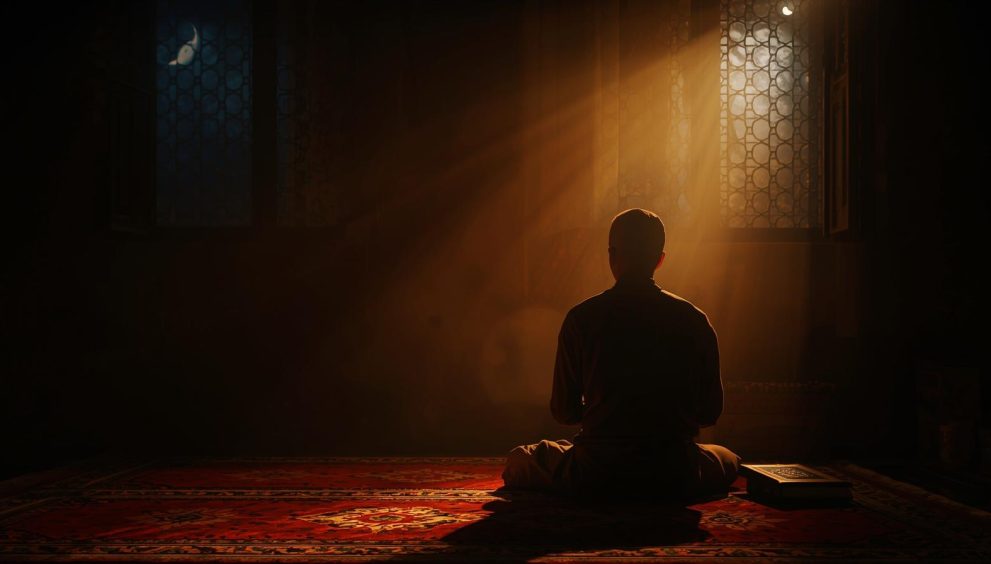
The Prophet ﷺ instructed Muslims to pray two voluntary units of prayer and then supplicate to Allah, asking for goodness, ease, and protection from harm. This practice shows that Islam encourages thoughtful decision-making while placing complete trust in Allah.
As mentioned in the classical explanation, Istikhara reflects submission, not weakness.
Why Istikhara Brings Inner Peace to the Heart?
One of the greatest benefits of Istikhara is emotional and spiritual peace. When a believer sincerely hands over a decision to Allah, anxiety naturally decreases. The heart becomes content, knowing that Allah’s knowledge is perfect, while human understanding is limited.
Even if the outcome does not match one’s initial desire, the believer remains calm because the choice was entrusted to Allah. This inner peace is a direct result of reliance (tawakkul), which Istikhara strengthens.
Istikhara Aligns Human Effort With Divine Wisdom
Islam does not teach passivity. The explanations emphasize that Istikhara should be performed alongside effort, consultation, and rational thinking. A Muslim evaluates options, seeks advice, and then turns to Allah for guidance.
Through this balance, Istikhara protects a person from arrogance and overconfidence. It reminds the believer that success is not achieved by intellect alone, but by Allah’s permission.
This balance is precisely why Istikhara brings lasting benefit to a Muslim’s life.
Clearing a Common Misunderstanding About Istikhara
A widespread misconception is that Istikhara must always result in a dream or a supernatural sign. The classical scholars quoted in the images clearly reject this idea.
Instead, guidance often appears through:
- Ease or difficulty in a matter
- A firm inclination of the heart
- Circumstances unfolding naturally
This understanding keeps Istikhara grounded in Islamic teachings rather than superstition.

When Should Istikhara Be Performed?
Istikhara is recommended in matters where a choice is unclear. It is not performed for obligations already commanded by Allah, nor for actions that are clearly sinful.
The Istikhara can be repeated if confusion remains. There is no restriction on how many times a believer may seek Allah’s guidance, as persistence reflects sincerity.
The Spiritual Power of Istikhara Dua
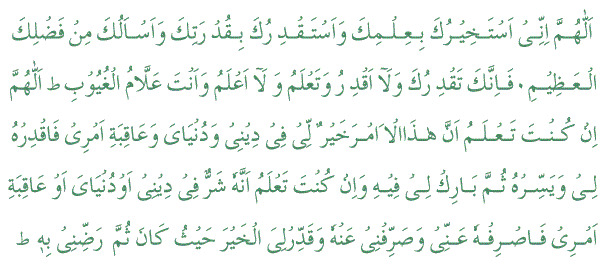
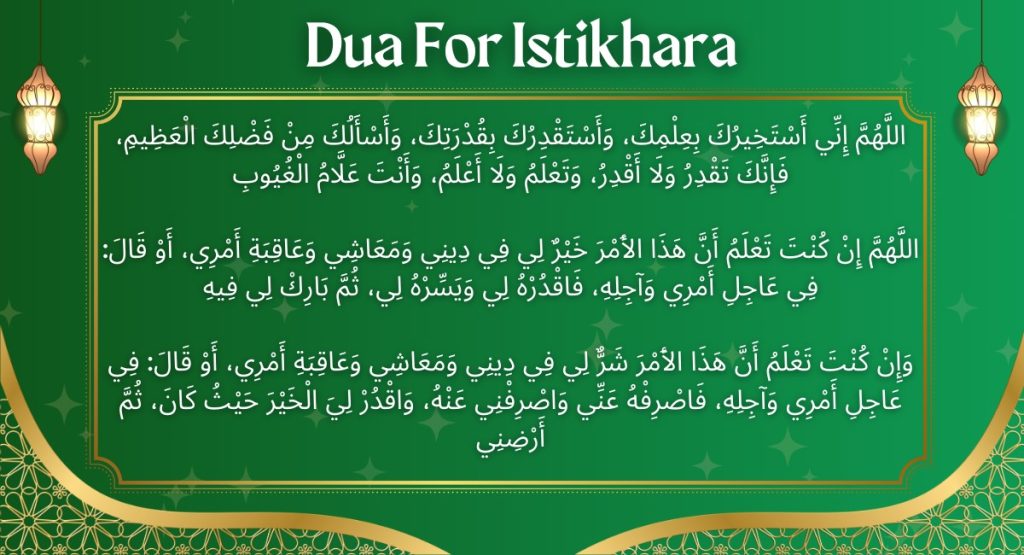
The Istikhara dua is a comprehensive supplication that includes:
- Acknowledging Allah’s perfect knowledge
- Admitting human weakness
- Asking for goodness in religion, life, and outcome
- Seeking protection from harm
This dua itself is an act of worship that draws a believer closer to Allah. It nurtures humility, patience, and contentment—qualities essential for spiritual growth.
How does Istikhara benefit a Muslim Beyond Decisions?
The benefits of Istikhara extend beyond a single choice. Regular practice builds a mindset of trust and submission. A believer who frequently turns to Allah develops stronger faith, emotional resilience, and spiritual clarity.
Moreover, Istikhara protects a Muslim from regret. Even in challenging situations, a believer’s heart remains firm because they consult Allah before making a decision.
This is why scholars describe Istikhara as a mercy, not merely a method.
Istikhara and Allah’s Mercy
In the Qur’an, Allah encourages believers to consult and then place their trust in Him. Istikhara embodies this command perfectly. It reflects hope in Allah’s mercy and confidence in His wisdom.
The references show that Istikhara reflects a strong relationship with Allah, built on trust, humility, and obedience.
FAQs – Istikhara, Peace, and Trust in Allah
1. How does performing Istikhara bring peace to a Muslim’s heart?
Istikhara brings inner calm by placing decisions in Allah’s hands. When a believer relies on Allah’s wisdom, anxiety reduces, and the heart finds spiritual balance and reassurance.
2. Why does Istikhara strengthen a Muslim’s connection with Allah?
Istikhara is an act of sincere supplication and trust. Through it, a Muslim directly turns to Allah, deepening reliance (tawakkul) and strengthening the spiritual bond with the Creator.
3. How does Istikhara help Muslims stay away from wrong or sinful paths?
By seeking Allah’s guidance, a believer becomes more conscious of right and wrong. Istikhara encourages thoughtful decisions, helping Muslims avoid harmful choices and misleading influences.
4. Does Istikhara help a Muslim trust Allah’s plan for life?
Yes, Istikhara trains the heart to accept Allah’s decree with contentment. Even when outcomes differ from expectations, trust in Allah’s wisdom remains firm and comforting.
5. Can Istikhara guide a Muslim in both worldly and religious matters?
Istikhara supports balanced decision-making in permissible matters of life. It helps align worldly choices with religious values, ensuring benefit in both this life and the Hereafter.
6. How does Istikhara protect a Muslim from regret?
When a believer seeks Allah’s guidance, the heart stays calm, and even hard outcomes bring peace because the believer trusts Allah’s choice.
7. Why does Istikhara provide long-term spiritual benefit?
Regular Istikhara builds patience, humility, and reliance on Allah. Over time, it shapes a believer’s mindset toward faith-driven decisions and lasting spiritual stability.
Final Reflection: A Lifelong Companion for Every Muslim
Istikhara goes beyond major life events. It is a spiritual tool that accompanies a Muslim throughout life. Whether decisions are small or significant, turning to Allah ensures guidance, peace, and benefit.
The Istikhara dua, when performed with sincerity, strengthens faith and aligns one’s path with Allah’s will. This is why Istikhara remains one of the most beautiful and beneficial Sunnahs in Islam.